
my process these days
interviewing myself in the style of hemingway

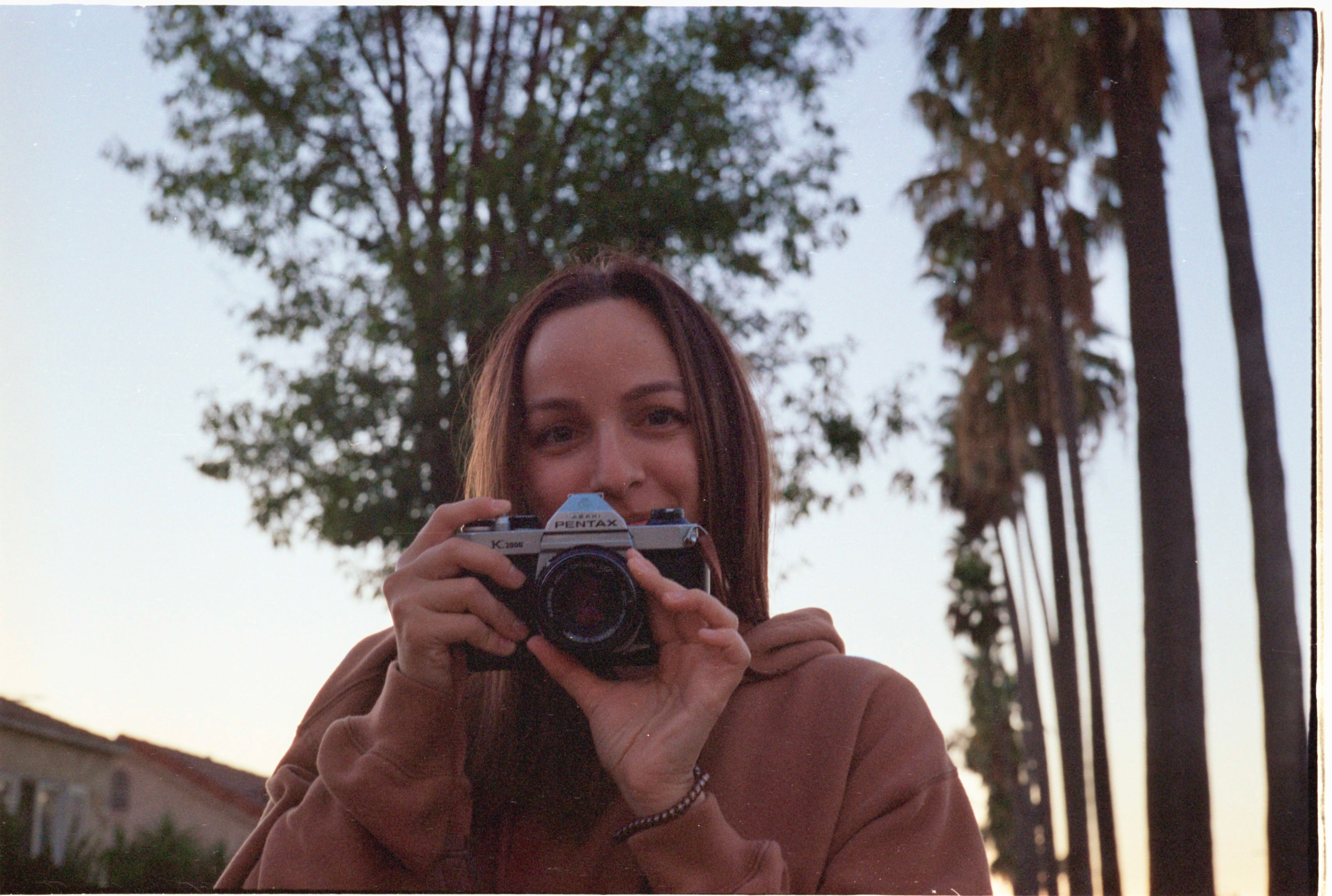
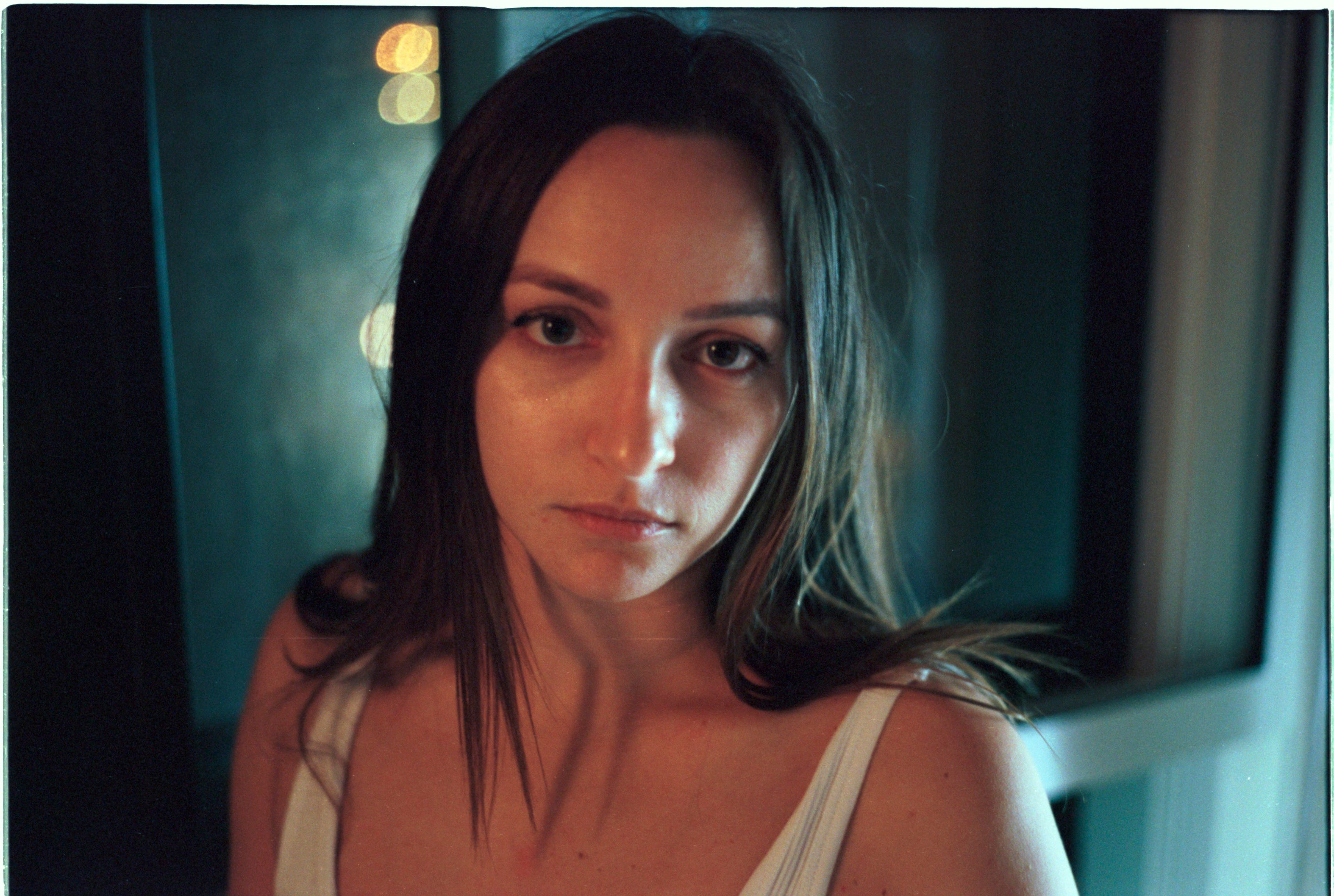
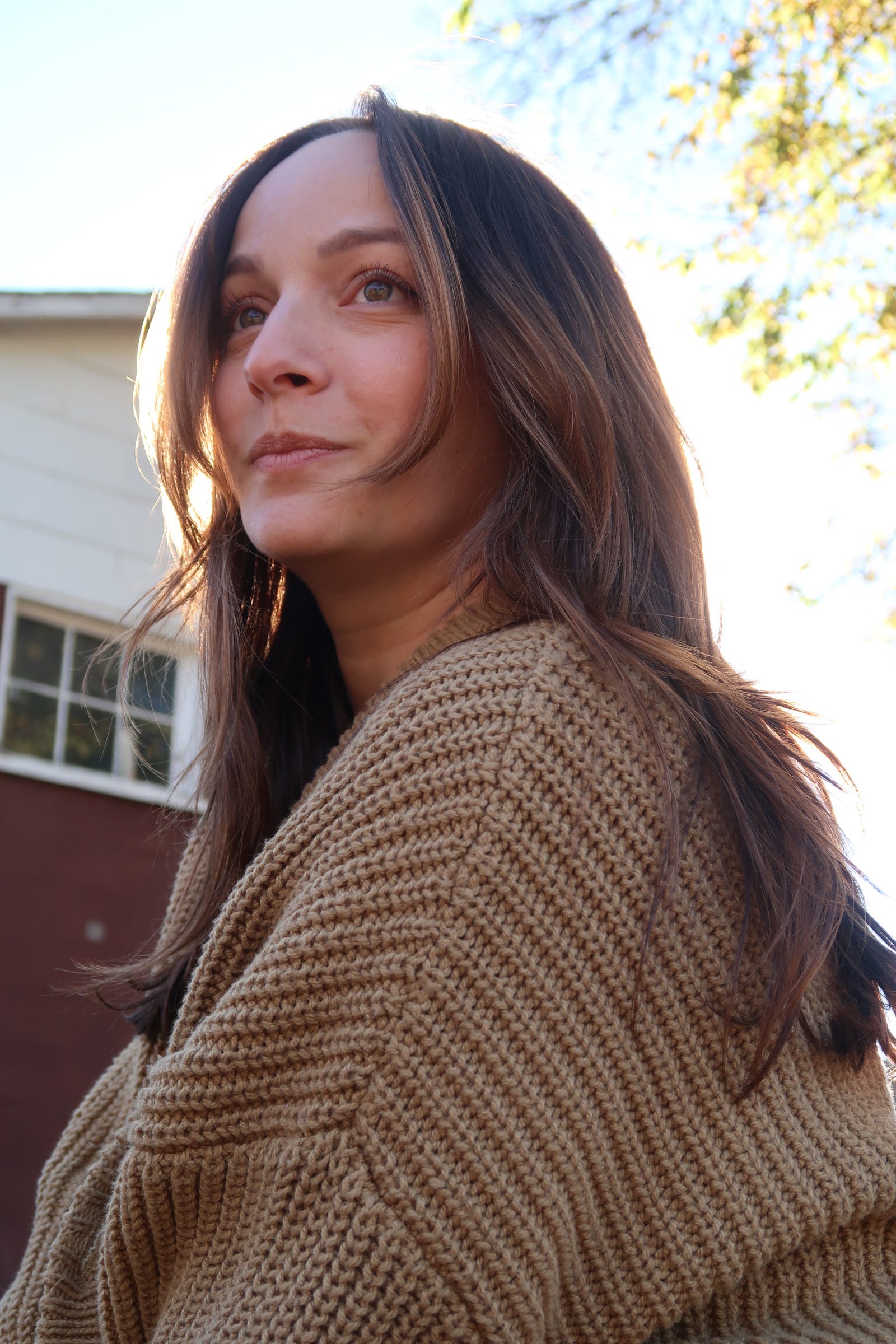
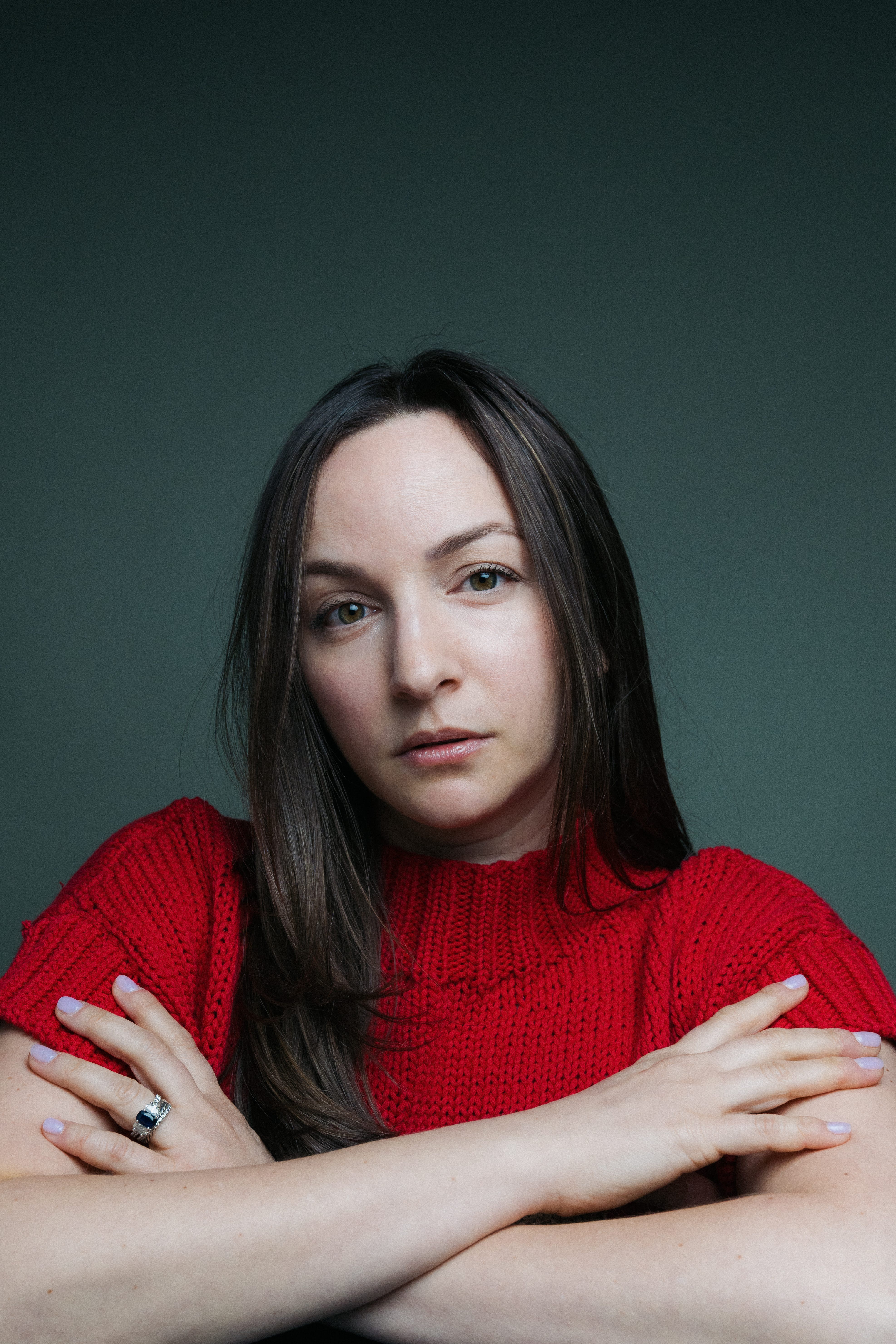
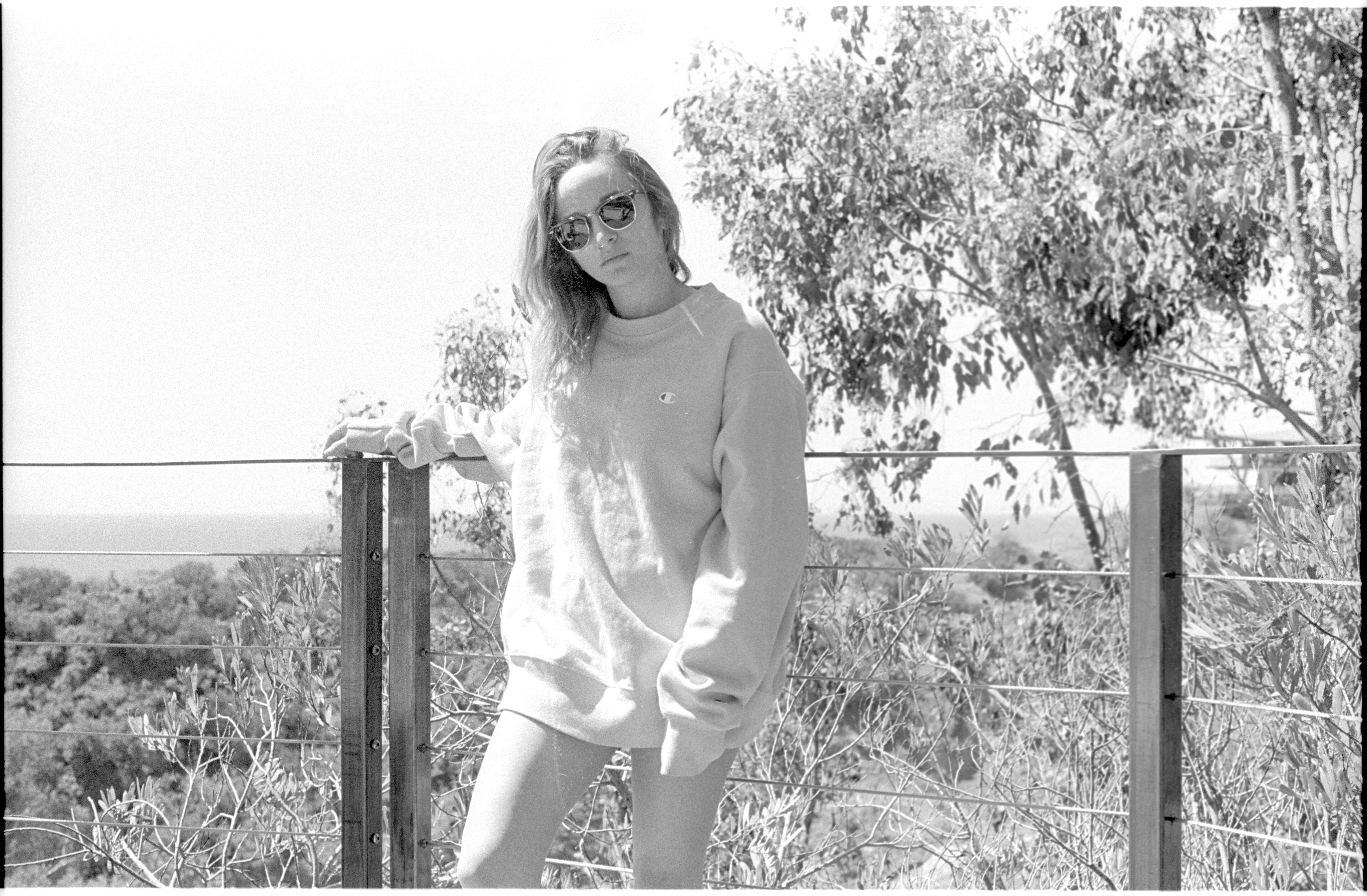
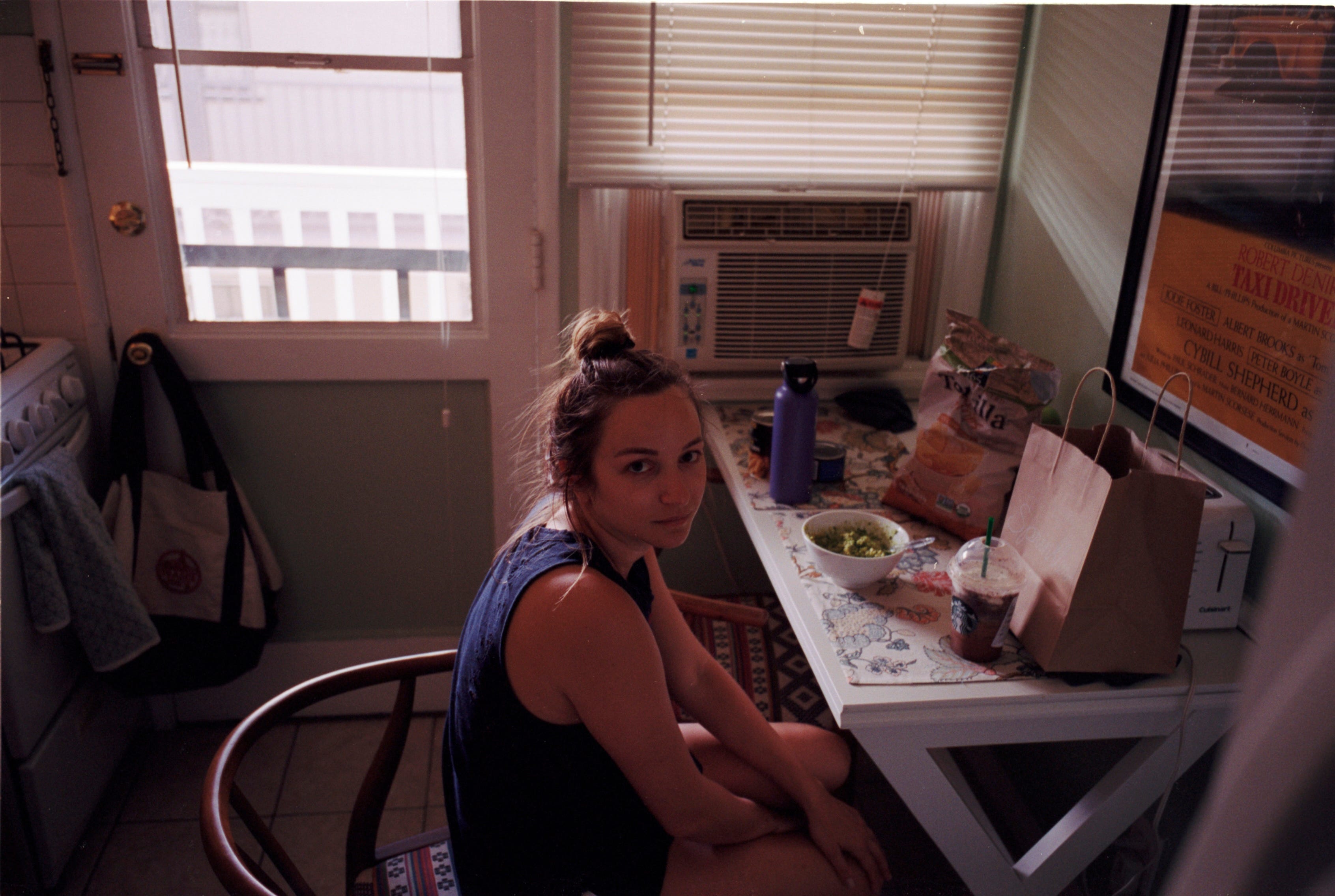
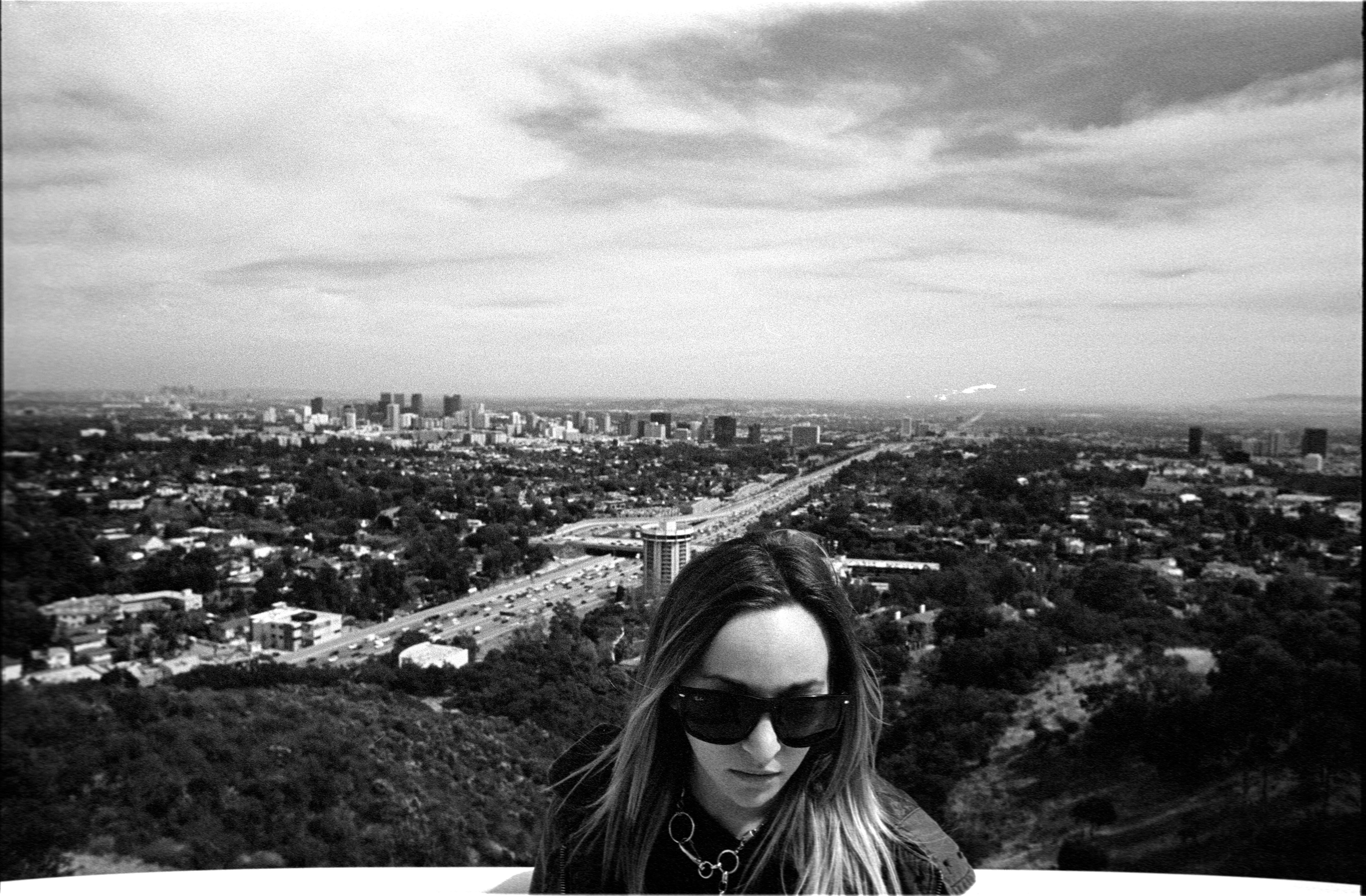
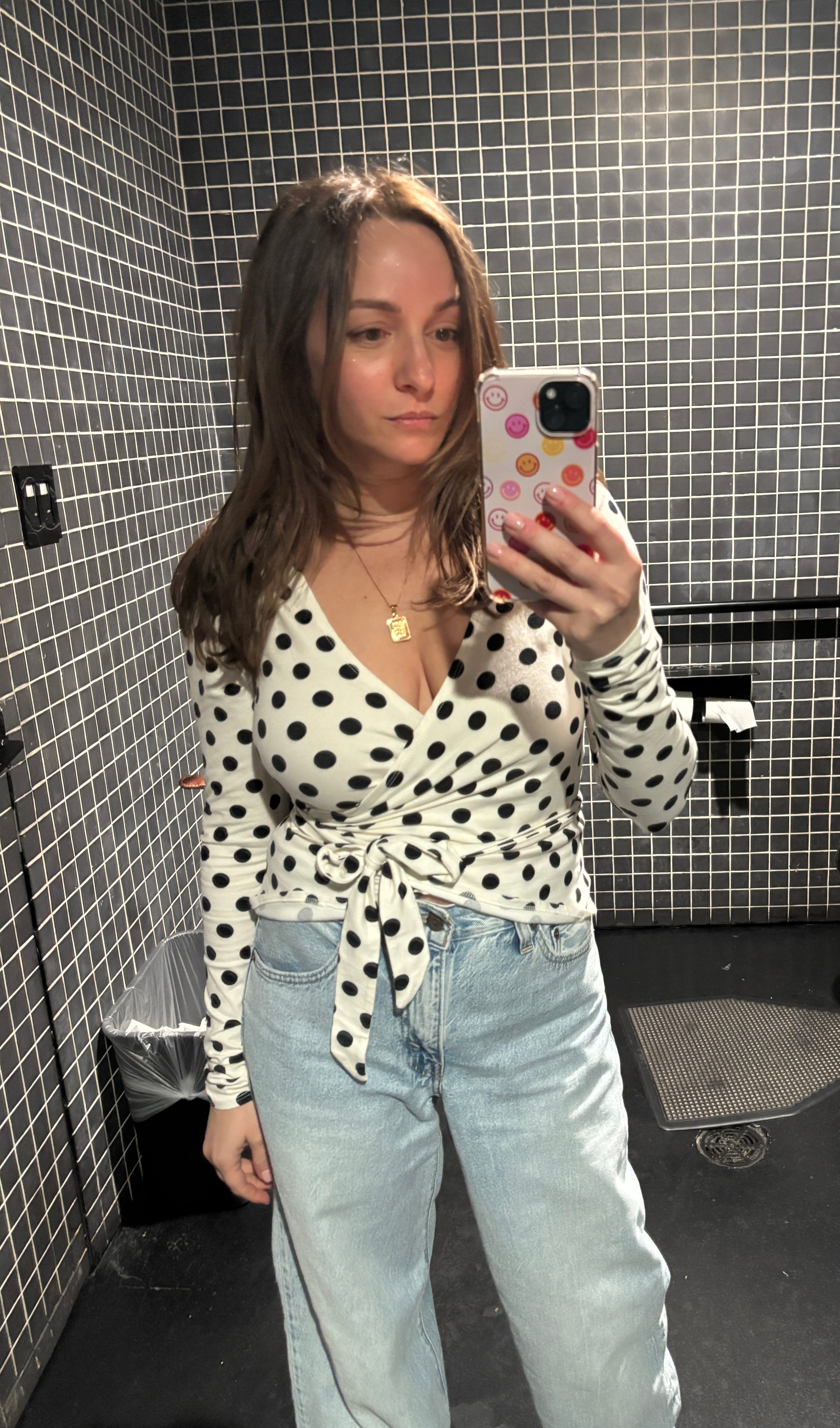
In the Spring of 1958, Ernest Hemingway was interviewed by George Plimpton, editor of The Paris Review for Issue 18. The following is my attempt to answer a select few of the same questions from that interview. The headshots are various author photos I’ve used over the years, mostly taken by Carl Bird McLaughlin <3
INTERVIEWER
Are these hours during the actual process of writing pleasurable?
ACKERMAN
Sure.
INTERVIEWER
Could you say something of this process? When do you work? Do you keep to a strict schedule?
ACKERMAN
Currently, my writing process is a bit of a mess. I’m not in a writing group. I haven’t taken a workshop in over a year. I lead multiple workshops online, but it’s not the same as having my own work read and critiqued. I am not taking any writing classes at the moment. I usually take one or two a year. I do not have a writing space or an office or even a desk. I write mostly at the kitchen table or on my husband’s side of the bed.
My daughter goes to preschool, but between the hours of dropping her off and picking her up, there are errands and phone calls and doctor’s appointments, there is class prep and the reading of workshop submissions, writing up feedback—thoughtful and detailed feedback. Occasionally I will meet a friend for lunch down in LA. And then there is, somehow, the crafting of my own work.
It’s a non-negotiable that I need to move my body in some sort of physical activity each day. It’s been difficult recently because I am rehabbing my knee from an injury, but normally I prefer to walk and listen to an audiobook or go to hot sculpt and flow and obliterate my mind and body in infrared heat projected from panels on the ceiling.
I need coffee, and lately it’s been an at-home vanilla oat latte situation. I get my beans from Prospect Coffee Roasters in Ventura and I use the “World Famous” vanilla syrup from Alfred. Oatly Barista is my preferred brand of alternative milk.
I also need to be in comfortable clothing. I like this one pair of very soft barrel jeans from American Eagle that I got for $29.99 on sale and I pair it with a t-shirt and sneakers. Always sneakers. I also like the OV Rec Ankle Socks from Outdoor Voices. They actually just got a bunch of new colors for spring and I fear I will have to order them all. I have about 20 pairs.
I don’t have a word count that I aim for when I write, but rather, I write until I feel full, until the scene or the moment of the writing feels like I’ve done enough to leave it alone until next time. It’s very important to me that I know where I’m starting each day and that I leave myself a place to begin when I finish. I write in a separate document and copy the day’s work over to the larger manuscript, and in that separate doc, I will type out notes for the next day. Throughout the day, I type ideas into my Notes App and then email them to myself and copy those over to the separate doc so I can revisit them when I sit down to work.
It’s more organized than it sounds, or maybe it doesn’t sound organized at all.
INTERVIEWER
Can you dismiss from your mind whatever project you’re on when you’re away from your laptop?
ACKERMAN
No, and I don’t really want to. I’m not like living inside the world of my book at all times, but I like to stay porous to the realm so reality can seep into it. I always have a playlist for what I’m working on and I’ll listen to that while I’m walking or driving and ideas will come to me and I can get them down and when I revisit them later it feels easier to access the book because I’m already kind of tonally inside of it.
INTERVIEWER
Do you do any rewriting as you read up to the place you left off the day before? Or does that come later, when the whole is finished?
ACKERMAN
I don’t reread as I’m going along, but if something slipped through the cracks and I want to add anything to an earlier part of the manuscript, I will. It’s really difficult to hold the whole of my book in my head, so I take lots of notes, and if it’s not something that’s an easy fix, it must wait for revision.
INTERVIEWER
How much rewriting do you do?
ACKERMAN
It depends. I rewrote the ending to The Style of Your Life, my forthcoming novel with CLASH, about four different times.
INTERVIEWER
Was there some technical problem there? What was it that had stumped you?
ACKERMAN
I had no idea what the twist of the book would be or that there would even be a twist in those first three drafts. I had a few beta readers and they all were like “something feels off about the ending,” and so I kept reworking it until it clicked.
INTERVIEWER
Are there times when the inspiration isn’t there at all?
ACKERMAN
I talk to my writers about this, a lot. Screenwriter Aaron Sorkin has a very eccentric habit of taking six to eight showers a day, and it’s not because he’s a germaphobe; it’s a physical reset, a way to clear his mind. If a scene isn’t working, he showers, puts on fresh clothes, and starts the writing process over again.
I don’t advocate for such a wasteful technique here, but I do encourage writers to find a way to hit the reset button. For me, I love my walks, sometimes I’ll go see a movie by myself or if it’s midday, I’ll take a nap. But the thing I do most often to reset my brain is go to the mall. It’s a great way to be alone while being around people. After months of quarantine during the pandemic, the first place I went in public was to the mall, The Shops at Santa Anita. Most of the stores were still closed, but just to walk into a space where other people were existing and where I didn’t need to communicate with them in order to commune, it felt refreshing. There is nothing like a new t-shirt and a Coke Zero to reset the soul.
INTERVIEWER
Where are some of the places you have found most advantageous to work? Or do surroundings have little effect on the work?
ACKERMAN
I think I tell myself, and maybe all writers tell ourselves, that we need an ideal situation in which to do the work. But really, the work can be done anywhere. I’m writing in bed right now at 8:22pm. I like going to coffee shops to work, which again satisfies the urge to be among people but keep to myself, aside from ordering my coffee and pastry.
I guess an absolutely ideal spot to do work is a beautiful café with lots of light and many tables and comfortable seats and a full menu of food and more than one bathroom. When I lived in Nashville, there were so many coffee shops, but each of them had a foil to another. One only had hard benches to sit on while another purposefully had no charging outlets. One was too long a drive to justify the gas money. One was always just a bit too crowded and too social, too many women laughing loudly.
Every time I go to the library, I wonder why I don’t go there more often. And every time I stay home and make a latte and sit at my kitchen table to work, I think that it’s really great. I drove down to Hollywood last week and sat outside at a coffee shop and drank an iced latte and worked for two hours and then went next door for tacos and drove 40 minutes home balancing a small cup of queso in my lap and eating the rest of the chips and all that was pretty fantastic.
As far as locations though, I wrote about Florida when I was in college in Indiana. When I went to grad school in Florida, I wrote about California. When I was in Nashville, I wrote, again, about Florida. When I moved back to California, I wrote about North Carolina. And now I’m actually working on a manuscript that takes place in the city I live in, so for the first time, I am writing about the exact place I’m in at the same time, and it’s very strange.
INTERVIEWER
Is emotional stability necessary to write well?
ACKERMAN
Here, Hemingway responds, “You can write any time people will leave you alone and not interrupt you. Or rather you can if you will be ruthless enough about it. But the best writing is certainly when you are in love.”
I don’t think I’ve ever been emotionally stable, so I’d definitely say it’s not necessary for me to write well. Ha!
I have to create stability within the instability. I work despite the disorder.
INTERVIEWER
How about financial security? Can that be a detriment to good writing?
ACKERMAN
I literally just accepted a position at a college to teach English. So yeah, it’s pretty important to have some financial security. Hemingway also says something here about how worrying destroys the ability to write. And he says, “Ill health is bad in the ratio that it produces worry which attacks your subconscious and destroys your reserves,” which is ironic because the thing I’m working on now is about a woman trying to identify the cause of her pain, and she is constantly worrying and suffering because of the worrying. And I would agree that it is attacking her subconscious.
INTERVIEWER
Can you recall an exact moment when you decided to become a writer?
ACKERMAN
In college, I thought I wanted to go into fashion (lol) or study psychology (even more lol, although maybe it would have helped?). I never excelled in English in high school and I was a slow reader and terrible at reading comprehension and I loathed writing papers. But I tested out of basic comp and was able to take a higher level first-year English course where we learned about comic books and graphic novels and my teacher rode a motorcycle and wore all leather to class and I saw that being a writer and teaching writing could look and feel so different and also our classroom was on a high floor of the business building and something about all of that was the perfect recipe for me declaring English as my major. I minored in Latin, by the way, but that’s a whole other story.
INTERVIEWER
What would you consider the best intellectual training for the would-be writer?
ACKERMAN
I hate this question, although I’m going to answer it anyway, because I’ve spent a lot of time mourning that I am not intellectual enough because I write about malls and girlhood and sleepaway camp and influencers (not all in the same work, even though that would be quite the literary party), and that these things are not worthy enough topics to put to page. But my favorite writers are the ones who write slice of life, whose work isn’t trying to prove anything or stamp a provocative message on the timeline.
I’ve come to understand that being an intellectual means possessing a deep and active curiosity about the world, one that goes beyond raw intelligence or academic credentials (which I have anyway!) It’s a mindset that is committed to critical thinking and a love of lifelong learning.
INTERVIEWER
How about people who’ve gone into the academic career? Do you think the large numbers of writers who hold teaching positions have compromised their literary careers?
ACKERMAN
Again, I love what Hemingway says here, so I’ll just let him respond: A writer who can both write and teach should be able to do both. Many competent writers have proved it could be done…A writer can be compared to a well. There are as many kinds of wells as there are writers. The important thing is to have good water in the well, and it is better to take a regular amount out than to pump the well dry and wait for it to refill.”
INTERVIEWER
Do you think of writing as a type of self-destruction?
ACKERMAN
Yes, but I will not elaborate on that.
INTERVIEWER
Do you think the intellectual stimulus of the company of other writers is of any value to an author?
ACKERMAN
I’m more in it for the emotional support and mutual respect, and the exchanging of gifs and memes. And yes, that is very valuable, to me at least.
INTERVIEWER
When you are writing, do you ever find yourself influenced by what you’re reading at the time?
ACKERMAN
100%. Everything makes its way in. I start every class by asking students what they are reading, watching, or listening to and to try and identify what makes it readable, watchable, listen-to-able, or not. Be able to emulate that which is working well or be sure to avoid what isn’t working. Know why you like or dislike something. Take it apart and then put it together in your own work.
INTERVIEWER
Would you admit to there being symbolism in your novels?
ACKERMAN
Hemingway hated this question, but I like it and want to answer. I think everything is a symbol. In The Style of Your Life, the mall is a mall, but it also symbolizes modern consumerism, and beyond commerce it spans cultural and psychological layers. Wealth and the endless pursuit of material accumulation. Community and social hubs, especially in the late 20th century where malls were represented a sort of “town square” and served as a meeting place for socialization, people-watching, and cultural gathering. There’s a liminality and nostalgia, particularly post-covid empty malls or malls in decline. A place of collective memory. Existential detachment. And then counter to all that, the American Dream, the postwar boom, suburban convenience, the vast accessibility of goods.
I really shouldn’t get started talking about malls here, so I digress, but in any case, the mall in my book is a setting, but it’s also emblematic of a state of transition of being on the threshold. The protagonist is on the brink in literary speak, and the mall serves as a higher-aim dressing room where she might try on a new Self.
But also, it’s a mall, and there are hot pretzels and candle stores.
INTERVIEWER
So when you’re not writing, you remain constantly the observer, looking for something which can be of use.
ACKERMAN
I think it’s more that things of use are constantly showing up. The Lord Byron quote, “Truth is stranger than fiction.” I’m not really sure how to put it, but it feels like picking the little letters out of the pouch for a game of Scrabble. Something is always there being made available to you. It’s about how you use the letters that counts.
INTERVIEWER
How detached must you be from an experience before you can write about it in fictional terms?
ACKERMAN
I don’t know that I’m ever detached from any experience, but I’ve let loads of time go by before writing about certain things and then others I am processing (or still living in it!) while writing. The woman trying to identify the cause of her pain—that’s me. I have written scenes while in the waiting room or even sitting on the exam table. I’ve taken photos of artwork in medical offices and transcribed conversations and re-purposed MyChart messages and lab work results (my own, of course). My psyche is truly all out in the open with this one, and so in this way, I am not detached at all from the experience, but instead I only slightly detach myself from it in order to write each day. I have said on multiple occasions to my husband, I am living inside of my book! Usually I’m not so close to the material. But this time, I’m pressed right up against it.
INTERVIEWER
It has been said that a writer only deals with one or two ideas throughout his work. Would you say your work reflects one or two ideas?
ACKERMAN
I think writers can orbit the same ideas and with each rotation we can say something new. But I think as we age (sorry!) we grow and experience more and understand more, and then in some ways we understand even less, and that it is this level of presence and engagement with the world that is at play in the work, its ebbs and flows, and then the subject even becomes trivial because it’s about the human spirit, and now I’m really sounding like Hemingway, but also he said that the concept sounded “much too simple.”
INTERVIEWER
Finally, a fundamental question: as a creative writer what do you think is the function of your art? Why a representation of fact, rather than fact itself?
ACKERMAN
From Hemingway: “Why be puzzled by that? From things that have happened and from things as they exist and from all things that you know and all those you cannot know, you make something through your invention that is not a representation but a whole new thing truer than anything true and alive, and you make it alive, and if you make it well enough, you give it immortality. That is why you write and for no other reason that you know of. But what about all the reasons that no one knows?”
Yes. What he said.
But also, I’d like to dig into the “reasons that no one knows.” The reasons for creating art that are subconscious, mysterious, impossible to explain.
Call me crazy, but I feel compelled to write by a force greater than myself. I guess that’s why people say it’s a calling. I feel called, and I feel like I’m calling out at the same time, trying to reach something beyond myself. And to me, that’s what writing is, a long conversation, one where we answer the call and send it back out, channeling and carrying and giving voice to it.
—
I interviewed Jessica Danger about her memoir No Heroic Measures for Zona Motel, on the messy truths of family and self.
I have 3 workshop offerings lined up this summer!!
Main Character Energy: Claiming Our Own Narrative Authority, a 4-week generative class with WritingWorkshops.com.
Interior Weather and the Exterior World: Rendering Inner Life, an 8-week generative class with a workshop component at Lighthouse Writers.
Personal Essay II, a 10-week generative class with a workshop component at UCLA Extension.
***Advanced copies of The Style of Your Life are making their way into the world!! If you’d like to read and review, please send me a message :)

10/10 no notes.
This is so good.