
the balance game
human salt and human trees

Across from me at the coffee shop, a young man draws flowers in a notebook. He drinks a cortado and has an array of fineliner pens fanned out in front of him. He draws calla lilies and camellias in black ink.
“Those are beautiful,” I say from behind my laptop.
“Oh, thanks,” he says. “I’m trying.”
“Well, they’re great. Are you an artist?”
“I don’t make money off my drawings, but I love doing it.”
“Feed the soul,” I say and realize how cheesy and ridiculous I sound. I excuse myself to use the bathroom and ask if he’ll watch my things while I’m away. He nods.
Before Substack, I had a Blogspot. I wrote and posted nearly every single day for ten years. There were no subscribers, no email blasts or social media assets. No hashtags or links. I didn’t know who was reading it. I didn’t care. I was writing into an abyss.
The blog was called Daily Ackermations. I wrote mostly about heartbreak and boredom. I wasn’t trying to understand anything, only to document it. The blog felt like a secret clubhouse, hidden and unadvertised. It’s since been scrubbed from the internet, but sometimes I long for that time when there was less noise. I’ve got a pre-algorithm ache for the time before attention became a part of the work, when writing didn’t have to arrive anywhere or be received by anyone at all.
I return to my computer and open up an email with edits back from my publisher. The Style of Your Life will be published in just over a year. The book will take its physical form. It will become an object. I will travel to bookstores and give readings and do interviews. But now, I sit at a local coffee shop and draft my next novel. I do the work for free. I do the work in faith that it will become something, that it will arrive and be received.
But also, I do the work because I love it.
*
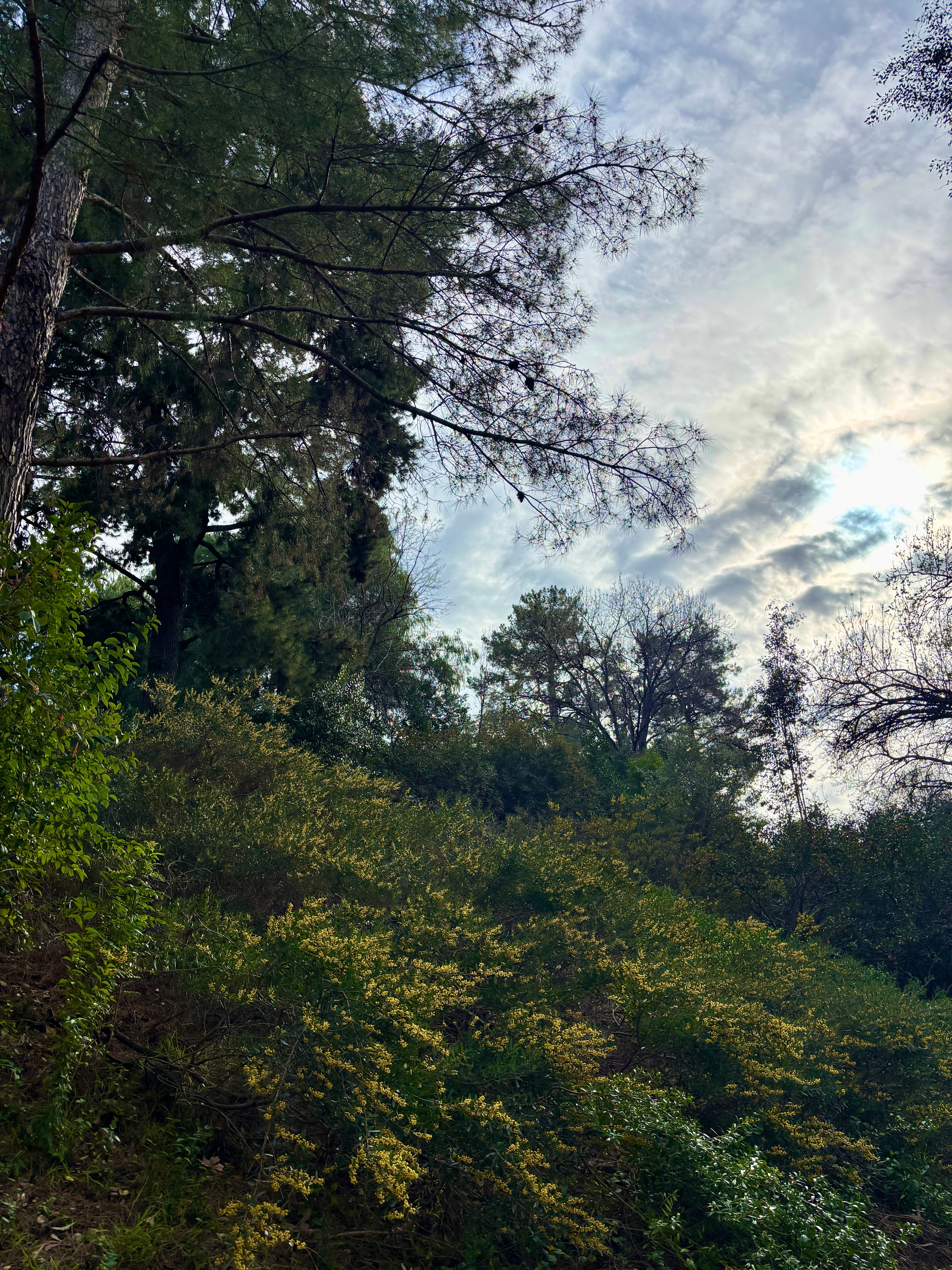
Our daughter plays a game she calls “the balance game.” My husband will pick her up and dangle her legs above the floor. It’s not much of a game, but I suppose the objective is to create the illusion that she is floating. She points her toes and kicks her legs and laughs, and when my husband puts her down, she asks to “do it again.”
We take her to Skyzone on a Saturday morning. All of our friends with kids have been telling us about this magical place where you pay to jump on trampolines and fling yourself into foam pits and supposedly it is fun for young children. For adults, it comes with a surefire backache and full-body soreness for 7-10 days following trampoline exposure.
The thing is, I used to be a gymnast. Not professionally, but I did gymnastics from when I was a toddler up until my early teens. So Skyzone is actually like a little piece of heaven for me. Our daughter loves it, too. She runs from trampoline to trampoline, dives into the foam pit, runs and throws herself onto the drop-zone, which is sort of blob-like and acts as a soft-landing stunt bag.
We stay for two whole hours. My phone stays secured away in a locker, and so the time at Skyzone feels different than normal time. I am present in a way that is not possible in my normal life. Skzyone is an elsewhere, a place where all I need to do is jump. When we leave, our daughter cries. She screams and runs back toward the sea of trampolines. I don’t blame her. I don’t really want to leave either. In the car, soothed with a snack, our daughter tells us she wants to go back to the “balance zone.”
I have become proficient in toddler-speak, so I know what she means. Skyzone was another level of the balance game. Inside the midair feeling, the pause between the polypropylene trampoline bed and the vaulted ceiling above, there is balance.
We promise her that we will return. Skyzone is only a ten-minute drive from our house, but it is a little pricey. We’ll go once in a while, especially on a rainy day, when we need a place where gravity loosens its grip on all of us.
*
Creation Lake was my favorite book of 2024. I’ve read it twice since it came out and listened to the audiobook as well. In the novel, the protagonist, Sadie Smith, contemplates “human salt” as the true, unyielding essence of a person. The salt symbolizes the raw, essential, and untainted core of human identity that exists beneath social constructs, personas, and ideological layers. It represents a hardened, persistent self.
Amidst the espionage, manipulation, and political performances of the anarchist commune she infiltrates, the “salt” represents what is real and enduring. It stands in opposition to the superficial, often pretentious, nature of contemporary life. The concept of human salt is central to the novel’s exploration of humanity’s deep, almost prehistoric, nature, reflecting on what remains when the polished self is stripped away.
People might claim to believe in this or that, but in the four a.m. version of themselves, most possess no fixed idea on how society should be organized. When people face themselves, alone, the passions they have been busy performing all day, and that they rely on to reassure themselves that they are who they claim to be, to reassure their milieu of the same, those things fall away. What is it people encounter in their stark and solitary four a.m. self? What is inside them? Not politics. There are no politics inside of people. The truth of a person, under all the layers and guises, the significations of group and type, the quiet truth, underneath the noise of opinions and “beliefs,” is a substance that is pure and stubborn and consistent. It is a hard, white salt. This salt is the core. The four a.m. reality of being. — Kushner
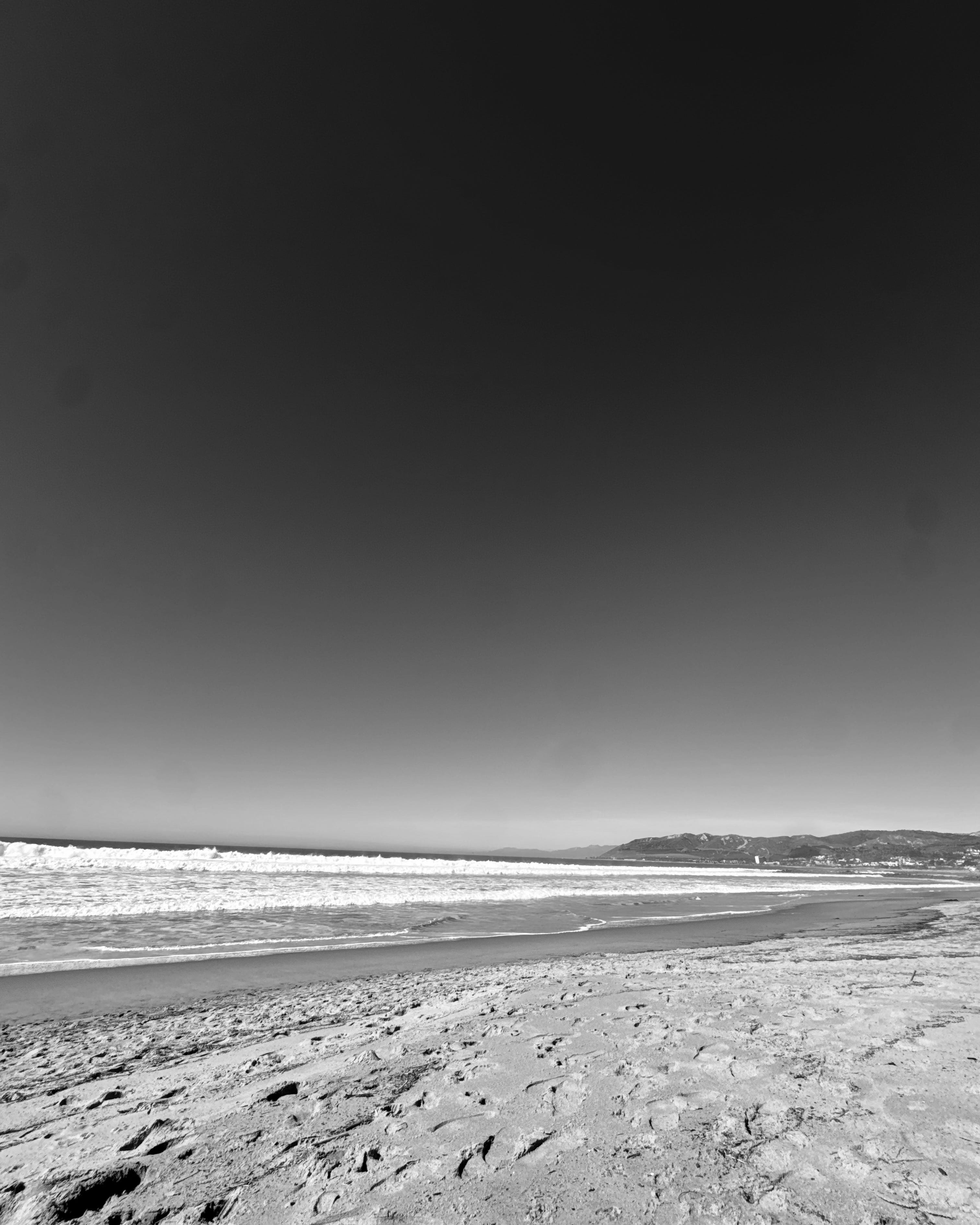
This image of salt at the core of our existence brings up the question of how much of who we are is shaped by our unique makeup and the beliefs we carry? Is who we are simply the sum of our wiring and our beliefs? Are we formed by the particular mix of traits that we inherit or choose?
What is the quiet truth underneath all the noise?
*
The Jewish month that falls between January and February is called Shevat. It is the 11th month of the Hebrew calendar year and often corresponds withTu B’Shvat, the “New Year for Trees.” It is known as a month of blessings and, according to Jewish tradition, a period focused on growth and renewal. It marks a season of receiving divine instruction as the sap begins to rise in the trees. Think winter-turning-toward-spring energy.
I now attend Rosh Chodesh gatherings each month. This month, our group leader shares key aspects of Shevat with us. Now is a time for hope and blessing. The phrase Shenishma Besurot Tovot expresses this sentiment, that “We should hear good news.” It was during this time that Moses began to deliver his final teachings to the Israelites, making it a month for studying scripture and preparing for future inheritance.
She explains the Seven Species (Shivat HaMinim)—two grains and five fruits listed in Deuteronomy 8:8 that symbolize the agricultural abundance of the Land of Israel. These staples of wheat, barley, grapes, figs, pomegranates, olives, and dates are meant to be enjoyed during this time.
This time is also linked to the zodiac sign of Aquarius, the water bearer, represented by a vessel filled with water, symbolizing the filling of life with the water of the Torah. She says that we must pour our faith and enthusiasm like buckets overflowing with water.
This is how we connect with the Tree of Life. I’m not talking about the Terrance Malick film here, although I do love that movie. But in Judaism, the Tree of Life (Etz Chaim) refers to the tree in the Garden of Eden, a symbol of divine wisdom and the interconnectedness of all creation. It’s a metaphor for a righteous and grounded life.
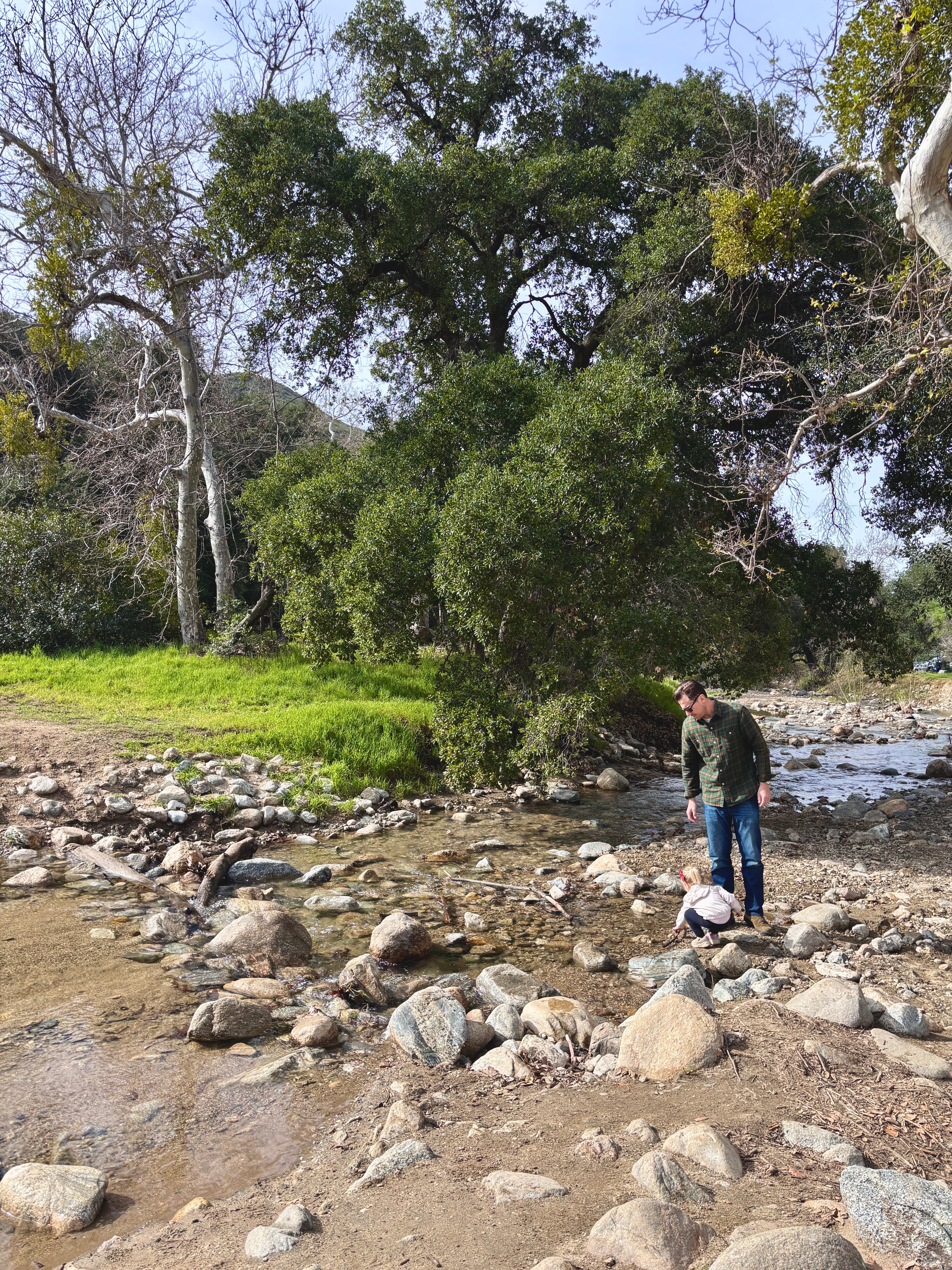
Every human is a tree. Our inner sap is rising, our spirituality growing. Even when life looks like nothing is changing, things are working below the surface. Roots are thickening, layers of new wood are forming, we are becoming. This idea that trees bear fruit, that our fruit is the visible proof of all that hidden labor, water pulled up, light stored, rings molded, seasons survived—how do we step into that? How do we cultivate quietly what we will one day be able to offer?
The discussion circles back to Moses’ last days. His final message was to “be strong and courageous.” The group leader asks the women in the room, “What if you knew you were approaching the end of your life? What would your message be, and to whom would you address it to?”
The women share experiences of mothering and caretaking. We are relied on by so many. We nurture and bring together. We bring peace and light into our homes. We make a dwelling place, a sanctuary for the divine.
One woman shares about how difficult it is to balance it all.
Our group leader replies, “There is no balance! That’s why it’s called a balancing act.”
*
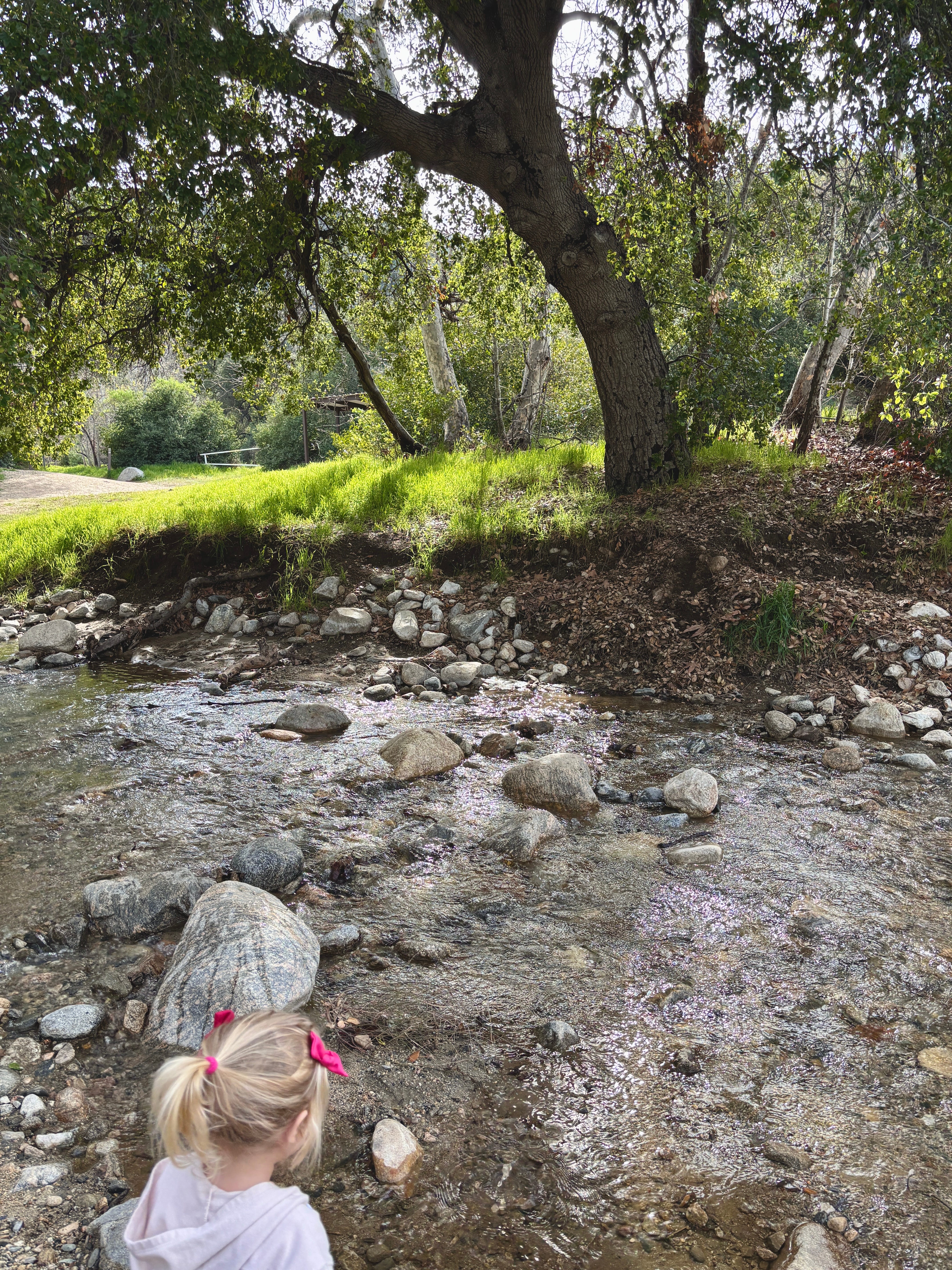
When I drive my daughter to school in the morning, she tells me that the trees are awake.
When she looks out the window at dinnertime, she tells us that the trees are asleep.
*
Sometimes the memory is so strong. I am still sitting on the exam table and my doctor hands me a pill and I have a bad feeling. She tells me that there is nothing to worry about. It’s the last time I will look her in the eyes. And then she leaves the room and I am alone again.
I wasn’t able to talk to my daughter before I went into emergency surgery. She was safe at home, asleep in her crib, my sister-in-law and her boyfriend watching over her. My husband rushed to the hospital just in time before I was taken back in the operating room. I could not say goodbye to my daughter, but luckily, I didn’t need to. I had survived.
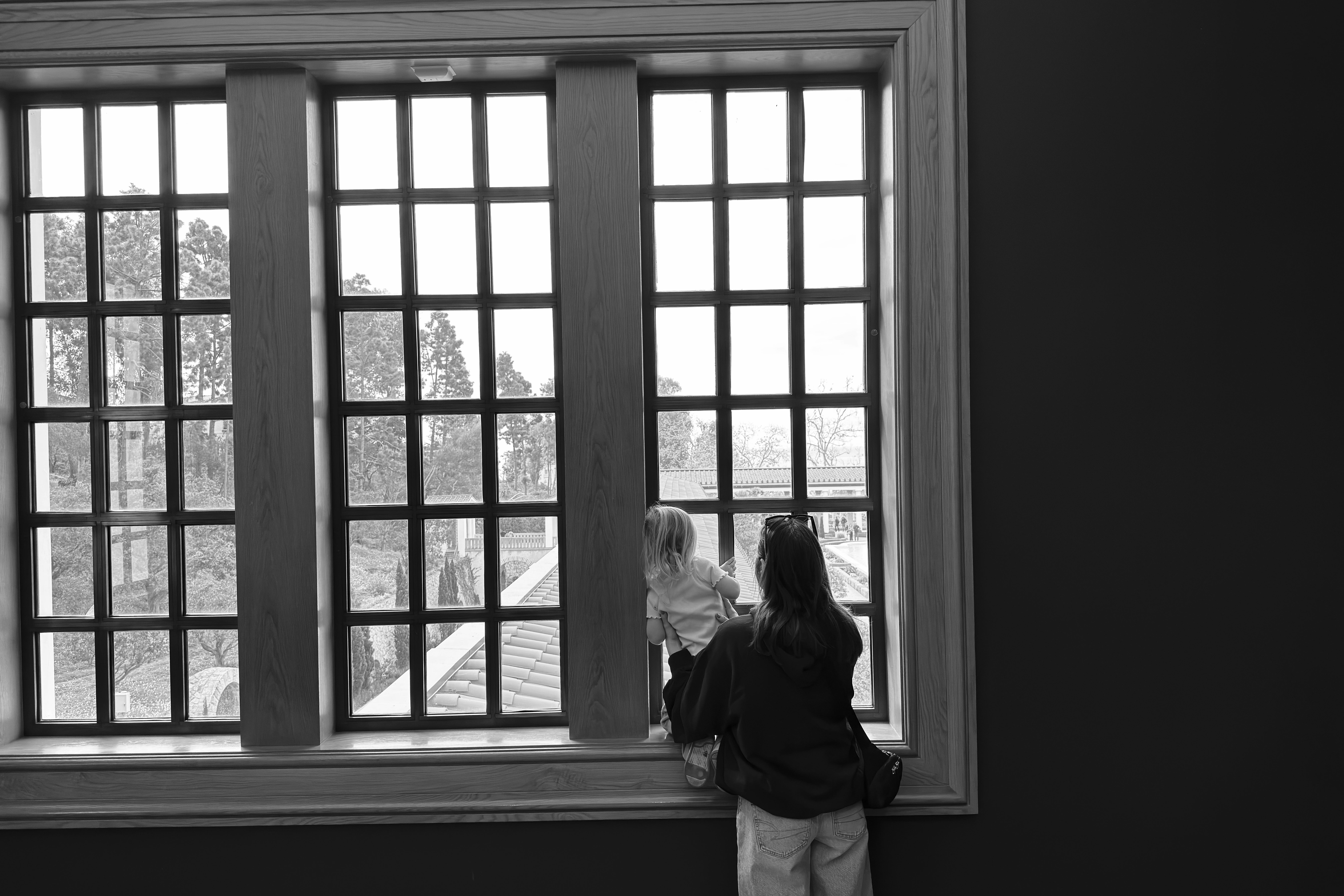
I think if I knew my days were numbered, I would tell my daughter to be strong and courageous.
*
I sometimes trick myself into thinking that what I do is a waste. That I’m not doing anything important by writing. Another woman in the Rosh Chodesh group is studying to become a pilot. I’m editing a novel about a girl who works at the mall. I joke about this with the group, but no one laughs.
“You’re doing the most important job of all,” the group leader says. “You are raising your daughter. You are her whole world right now. And you are doing such an amazing job.”
So much of motherhood asks us to trust what’s happening beneath the surface. So much of writing, too.
I think about this on the drive home. It’s late. The trees are asleep, doing their slow, invisible work.
I am my daughter’s tree, holding steady, growing even when no one else can see it.
—
The latest edition of Mallcore is live Zona Motel, where I spoke with Kerry Donoghue about malls as sanctuary and distraction, the psychology of American consumption, and how becoming a lifelong watcher of other people’s wanting shaped her work on desire, grief, and girlhood.
Spring class offerings ahead:
Voice as Compass: Finding the Center of the Story, a 4-week generative class with WritingWorkshops.com!
And for Lighthouse Writers, I’m leading two workshops—
8-Week Advanced Nonfiction Workshop & an 8-Week Nonfiction Incubator !!
I’ll be leading Personal Essay I for UCLA Extension :)
I never thought I would read something so beautiful and poignant about Skyzone!! And I deeply resonate with the part about the salt of who we are underneath social constructs. It’s funny, a student wrote a Spanish essay I helped with and a mistranslation by Chatgpt said social constructs as well. Something for me to think about!
Thanks for this beautiful contemplation. I needed to be reminded of all of this this morning. The trees are awake / the trees are asleep. Yesterday I sat in an AA meeting, the first one I’ve been to in probably a year, and despite my annoyance with someone who had barely any sobriety at all speaking, I found myself missing the early days when all I was was sober. And it reminded me that first I am all these touchable things and I can take pride in that - the sobriety and the motherhood - those I can touch. The poems and the movies those are gifts.