
the startle test
developmental edit summer

At the end of June, Allyson asked to read my cards. I’d met Allyson at the Norcal Writer’s Retreat back in March, and we’d kept in touch ever since. Dressed in all black with a chic haircut, Allyson had initially intimidated me, but once we shared a table at mealtime and began talking, I discovered her charm, her warmth.
She started a Substack in the spring and one of her endeavors with this new outlet was to host a series of conversations that spawned from a tarot card spread: PAST PRESENT FUTURE—a mirror with which to share a moment of reflection to see ourselves, and our situations, more clearly.
I was eager to participate as her first guest. I had recently finished another draft of a manuscript, but I felt lost. I had been querying to no avail. The book felt like it was missing something, yet I had no direction or inclination on how to fix it. During our chat, Allyson pulled these cards: Past: Crossroads, Present: Ring, Future: Scythe, Theme: Child.
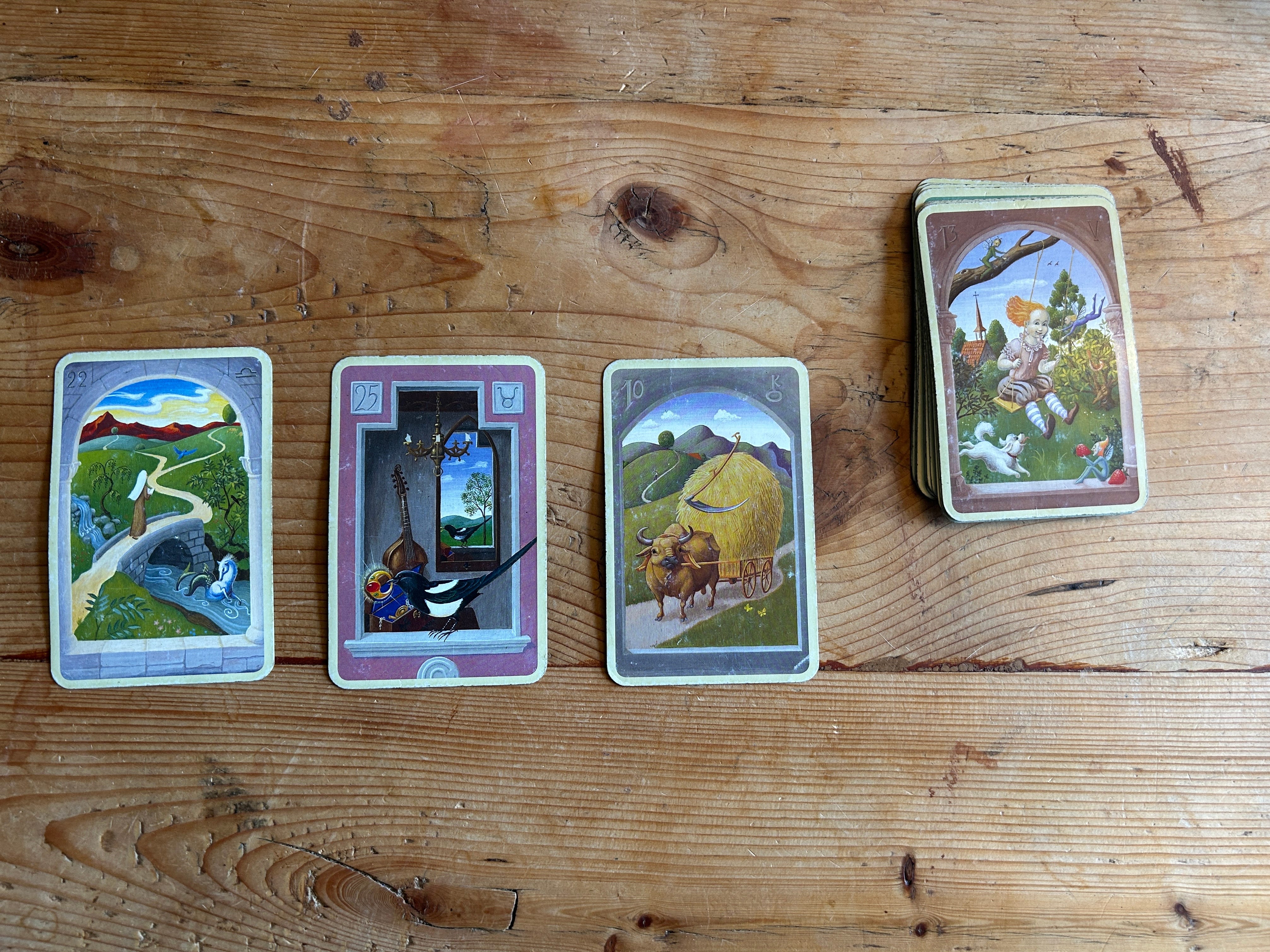
Our conversation around these symbols was illuminating and affirming. In short, my PAST card signifies that I made a choice to live a creative life; my PRESENT expresses peace and connectivity in my home life; my FUTURE denotes change, more specifically Allyson stated, “For instance, with your work, it makes me think of a lot of edits. There’s a cutting quality to it. But in a healing way, for a greater cause and purpose.” And my THEME overall was childhood, which makes so much sense to me, since all my work revolves around some sort of return to or reflection of childhood and adolescence.
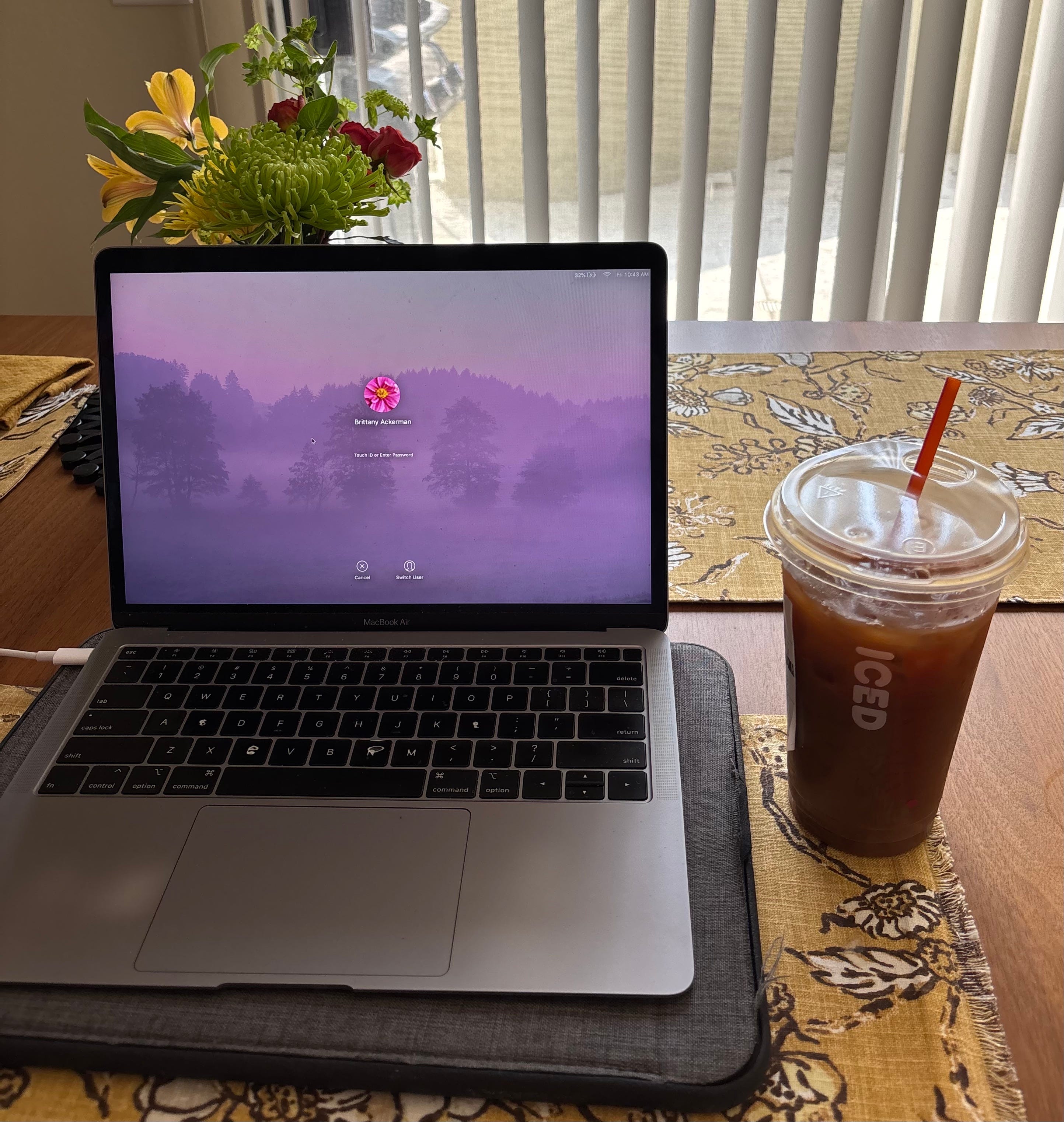
Later that day, I texted Allyson, I'm going to start making this my developmental edit summer…which is a sort of less sexy version of brat summer lol.
And from there, I got back to work.
*
When I was six months pregnant and in for a routine ultrasound, the tech told me she’d be performing a startle test. Our daughter was having a “lazy day in the womb” according to the tech, and she needed to assess the baby’s neurological system. If I couldn’t get the baby to move on my own (tapping my own belly, repositioning, etc.), then a vibroacoustic stimulus would be used.
I got off the exam table and walked around a bit—nothing. I tapped my belly and talked to my daughter—nothing. I asked if we could do the test at the next visit, but the tech just looked at me blankly.
“Okay,” I said, finally. “What will happen now?”
“It’s just a little vibration that will get the baby to move,” she explained. “A healthy startle reflex indicates a normally developing nervous system. The test doesn’t cause any pain or harm.”
“Alright,” I said, and the tech moved a tiny buzzer on top of my abdomen. A little buzz erupted. On the sonogram screen, I saw my daughter jump, a rush of motion that looked alarming. I felt instantly awful.
I left the visit and cried the whole way home. I cried all afternoon, all night. I felt horrible for inflicting this experience on my daughter. Would it traumatize her? Did it cause her stress? Would she remember this, if not in her mind, then in her body, forever?
For days, no, honestly, for weeks, I felt bad about the startle test. It haunted me. And then one night, I brought it up to my husband and he consoled me. He said while he truly believed the test hadn’t harmed our daughter in any way, there would be so many times in her life that she might have to endure something uncomfortable, even painful—vaccinations, illness, scrapes on the knee and cavities filled. She would have to experience the misgivings of life as we all do. Discomfort was part of the deal, and somehow this helped me to realize that I didn’t do anything wrong, that she was okay.
How do our responses to painful situations define us? What do they reveal about our character? And what does it say about me that I still startle at every encounter with discomfort, every sharp edge of being, as if the world might cut too deep and I’ve yet to grow the skin to bear it?
*
I reach for a bag of avocados and see the doctor who almost killed me.
My husband gets into bed and I jump up, surprised.
The clang of a fallen water bottle mid vinyasa.
The sudden flicker of lights at the grocery store.
A red tailed hawk swoops by on an evening hike.
A leaf blower sounding to life.
I startle when a yoga teacher places the cold lavender towel over my eyes.
*
“You can’t create a new pattern,” I say to my mom. We’ve just returned from a trip to San Diego and my daughter is having trouble getting to sleep. Every time I try to leave her room, she jumps up in bed and cries. Separation anxiety, perhaps. And I have no idea what to do. My mom graciously suggests I go in and hold her until she calms, but I’ve heard horror stories of parents sleeping in their kids’ rooms all night this way, how bedtime becomes a never-ending battle.
My brain tells me to go back to our sleep training days, the rigidity of cry it out, but she was four months old then. She’s almost two and a half now. She’s more aware, more vocal with her feelings. My heart tells me to go to her. I go back into the room.
I kneel beside her crib and place my hand on her chest. She calms instantly, and I pat her body until her eyes grow heavy and close. It takes a few minutes, but then she’s asleep, and I go again to leave the room. Door opens, no problem. Door shuts, she wakes up and screams.
But this time she didn’t rise from her mattress. She resettles and pulls her blanket over her body. She hugs her lovey tight and begins to drift off again. I watch all this from the monitor downstairs. I sit on the couch, my heart pounding, my whole body in fear of what this is, what it could be, what it means, what will happen next.
And what did I mean by that, you can’t create a new pattern? The OCD spirals that reside in my mind have gotten completely out of control. All the “mental rules” and constant scanning and over-thinking; every parking space I pull into means something; every color I wear holds significance; every interaction I have, everything I consume—every day is a conflict.
My brain already has so many patterns and rituals, that I feared creating yet another one would do me in. But the thing with kids is, sometimes you actually want to create a pattern, a routine, rather. And sometimes changing up that routine, just for one night, or a few nights, or however long, won’t turn the whole thing to crap. Children are much more resilient than us adults. They’re able to adapt and move on. Going on that trip must have triggered something in her, a change in scenery that affected her, sleeping somewhere new, a fracture in her day to day.
The next night when I laid my daughter down in her crib, she said, Mommy stay here? It was a question. I said, Mommy and daddy are going to sleep in our bed and you’re going to sleep in your bed, and in the morning, we’ll all wake up and be together. I held my breath, and then she said, Go to sleep and then wake up. I smiled and kissed her again. I left the room and she stayed quiet. She fell asleep after a short while.
*
The term “startle test” primarily refers to the Moro reflex in infants, a basic reflex used to assess how their nervous system is developing. In infants, the Moro reflex involves a sudden extension of the arms and legs, followed by a return to the body, often accompanied by crying in response to a sudden loud noise or a feeling of falling.
Like jolting awake from a dream.
A return to the body. A return to the self. A return to the world.
*

I’ve spent the summer working on my developmental edits. It’s been substantive, structural changes, big-picture work that’s focusing on the content, assembly, and storytelling. I keep returning to my FUTURE card, the Scythe, a sharp quickness that will result in healing.
And while I’ve been revising my manuscript, I’ve also been working on myself. It’s been a little over a year since I weaned myself off all my medications. Looking back, I have no idea why I went off a medicine that was certainly helping me cope with my mental health issues. I think part of it was the PTSD from almost dying, and part of it was that I wanted to prove my postpartum therapist wrong. I had told her I wanted to get off everything and bring myself back to my baseline. “What if your baseline sucks?” she’d said to me. Yes, a medical professional can say that to you! And with no shame!!
Well, it turns out my baseline does suck. It’s been a difficult year, mentally. The negative spirals have returned—the rumination, the inability to stop the car of mind—a brain without any brakes.
After a particularly bad weekend, I talked to my therapist (a new one who doesn’t end each session asking what I'm going to do for self care lol) and she agreed that it might be best for me to get back on medication. I had to get blood work to make sure my liver would tolerate it (all good!). I had to review my entire medical history with a brand new psychiatrist. I had my mother-in-law come over after my daughter went to sleep so I could go to CVS and pick up the prescription. I felt the years fold as I stood in that line again. Last name. Date of birth. Do you have any questions for the pharmacist?
It feels strange and sort of sad to be starting all this over again. I didn’t think I’d ever be back here, but maybe it’s where I’m supposed to be. In this phase of change, it’s another step forward.
“All emotions are okay to feel, even if you don’t like them,” my therapist tells me in our most recent session. “And from parent to parent, we are teaching our kids how to survive in the world. Emotions are not something you have to fight or flee from. The connections you make are fiction.”
“Probably why I'm a writer,” I say and she nods.
*
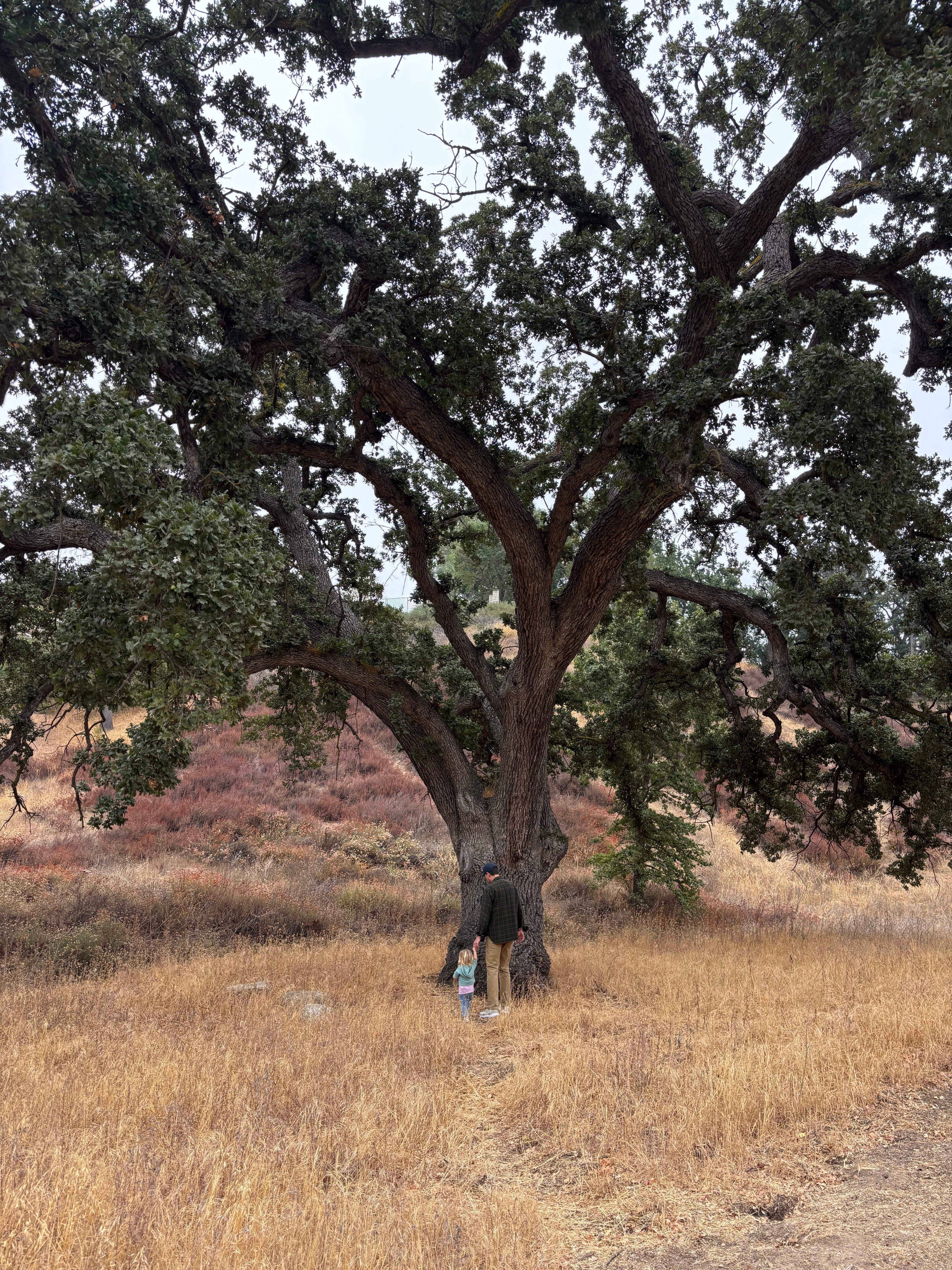
I hold my daughter on my hip as I order our meals at Chick-fil-A. We find a table outdoors and I poke the straw through the hole of her juice box. She drinks happily and we enjoy the evening air. It’s a little hot, but it feels good to be outside.
A motorcycle zooms past, the sharp braaap as it approaches. The sound swells and then trails off, thinner, higher, until it’s gone.
Vroom Vroom! my daughter says and laughs. She wasn’t startled by it. Or she was, but it made her excited, filled her with a thrill. She reacted to it, had her own experience, and I had the joy of watching her as it played out before me.
—
Check out my latest interview with Cora Lewis on her debut, Information Age, for Write or Die. We chat about living in an online world, trying to stay present, and how to return to the natural world in order to heal.
And a recent GRWM with John Vurro, author of Play Rewind.
My husband Carl Bird McLaughlin just wrapped his first feature!! Check out the Wolfbiter IG account for updates.
I really felt a lot of this. I think a place I've come to, but a place I don't want to be in(?) is accepting that living a creative life means always starting over. Not just a certain writing project, but the expectations around it. That's super frustrating. I feel like I'm back at the beginning too, and it's like WTF I just did a whole bunch of work to not be at this same starting line?! Anyway, I appreciate the insight into your journey!